
AI Dubbing vs Voice Cloning for Repurposing Content
AI dubbing vs voice cloning for repurposing: dubbing localizes existing content, cloning preserves a speaker's identity. See which to pick and when to use both.
Nov 05, 2026•~12 min read
AI dubbing vs voice cloning for repurposing: dubbing localizes existing content, cloning preserves a speaker's identity. See which to pick and when to use both.

What is a voice cloning API? A clear explainer of how it turns an audio sample into a reusable custom voice, how it differs from TTS, and how to evaluate one.
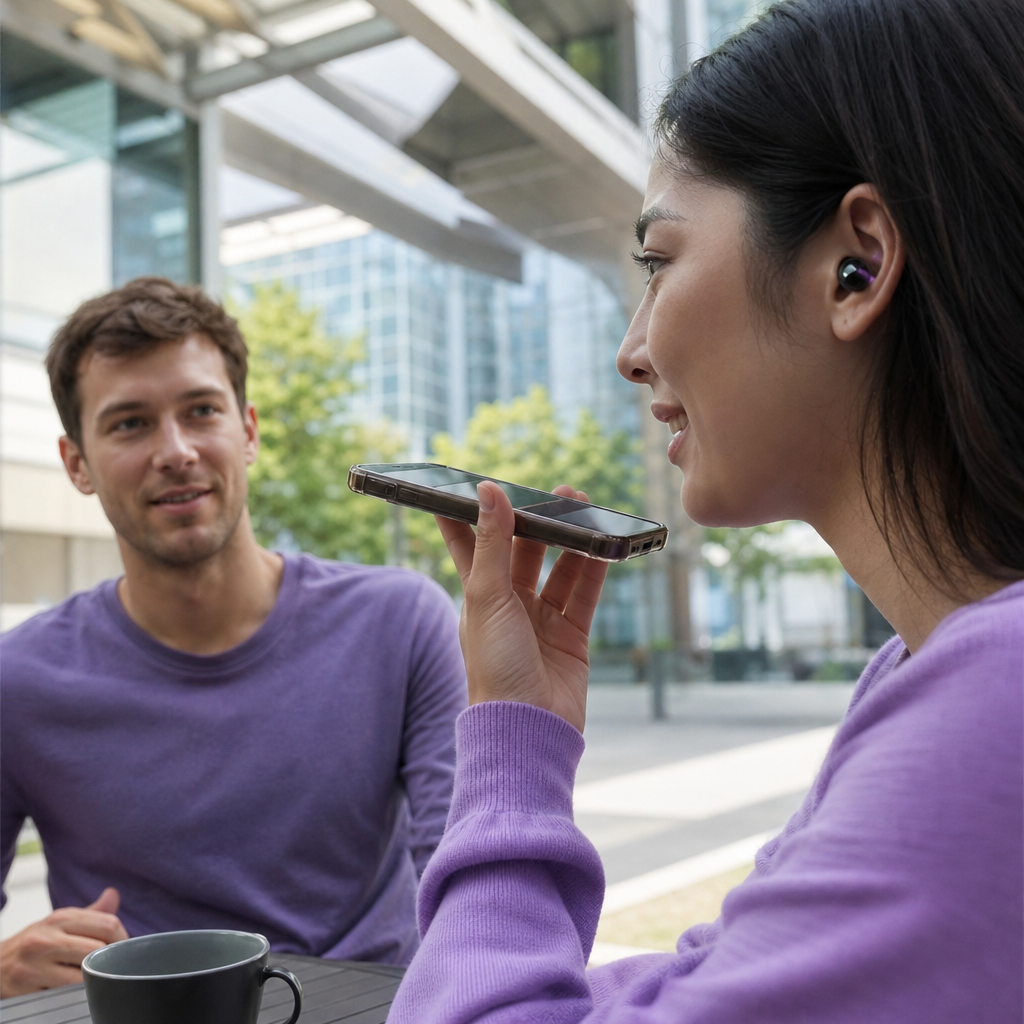
Speech to speech translation turns spoken words into audio in another language. Learn how it works, how it differs from dubbing, and how to evaluate a workflow.

What is image to video AI? A clear explainer of how it animates a still image into a short clip, how to control motion, and how to choose the right tool.
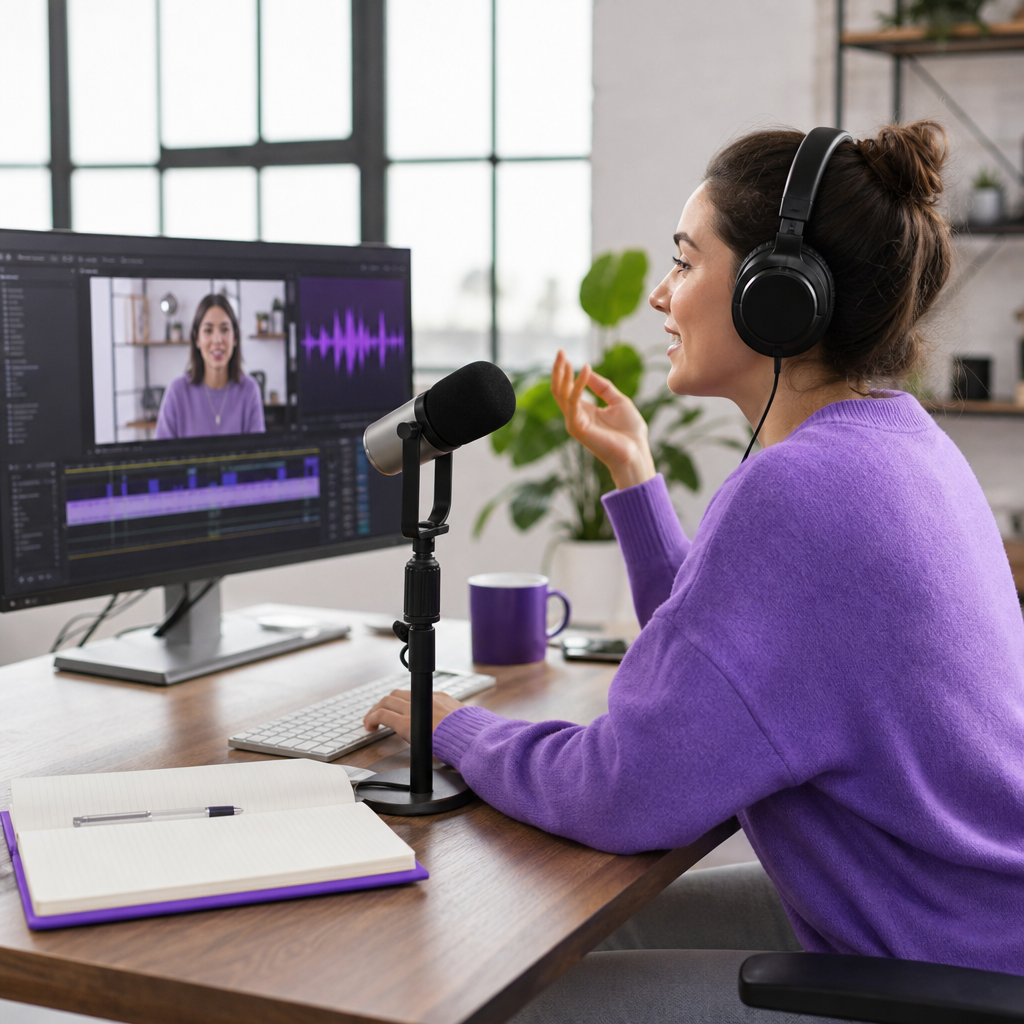
What is an AI dubbing API? A clear explainer of how it translates and dubs media, how it differs from text to speech, and how to evaluate one before you build.
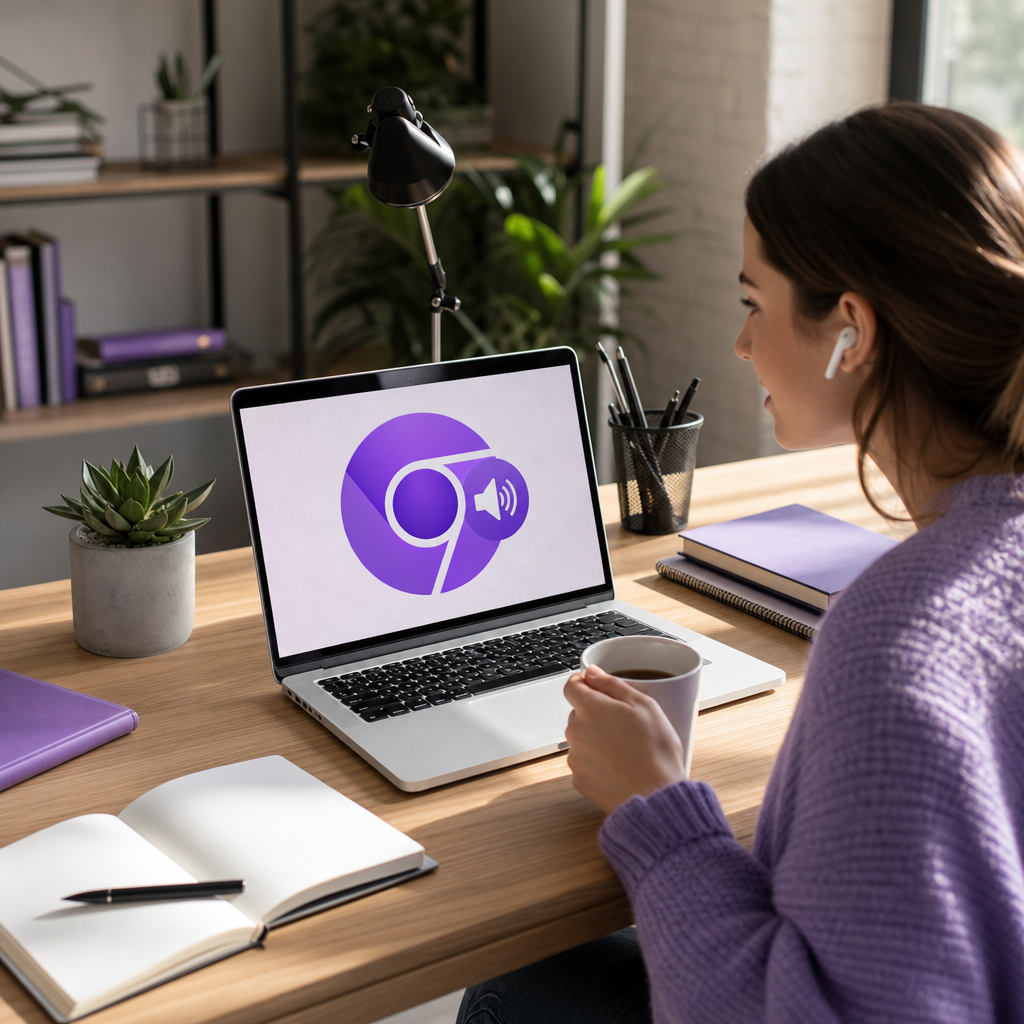
A Chrome extension for text to speech reads pages aloud in the browser. Learn how it works, its limits, permission checks, and when to use a TTS platform
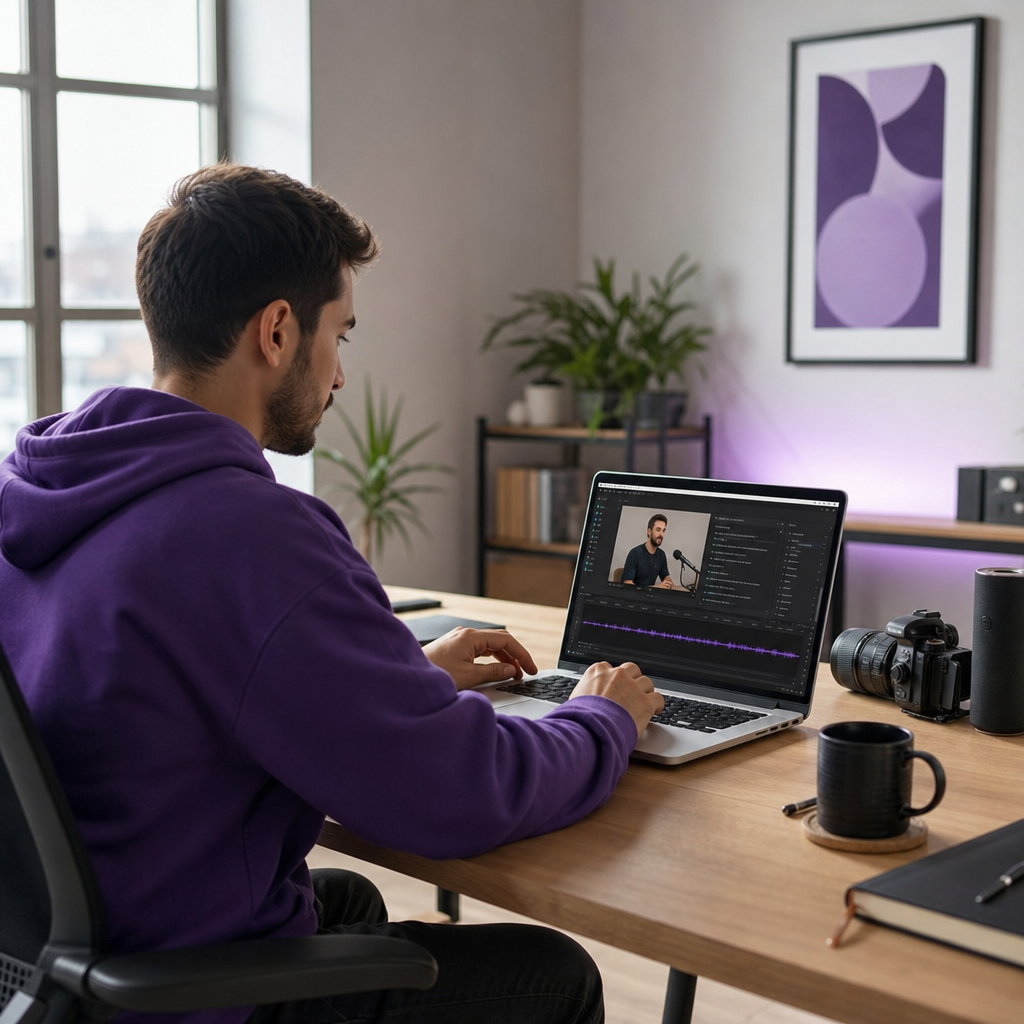
How to transcribe a video to text fast: use AI speech-to-text for the first pass, then review names and numbers. Mechanisms, formats, and accuracy tips inside.
A real time ai voice changer transforms live speech into another voice. Learn how it works, its latency and risks, and when a recorded workflow fits better.
Learn how YouTube text to speech works, which voice workflow fits your channel, and the rights and disclosure rules to check before you publish narration.