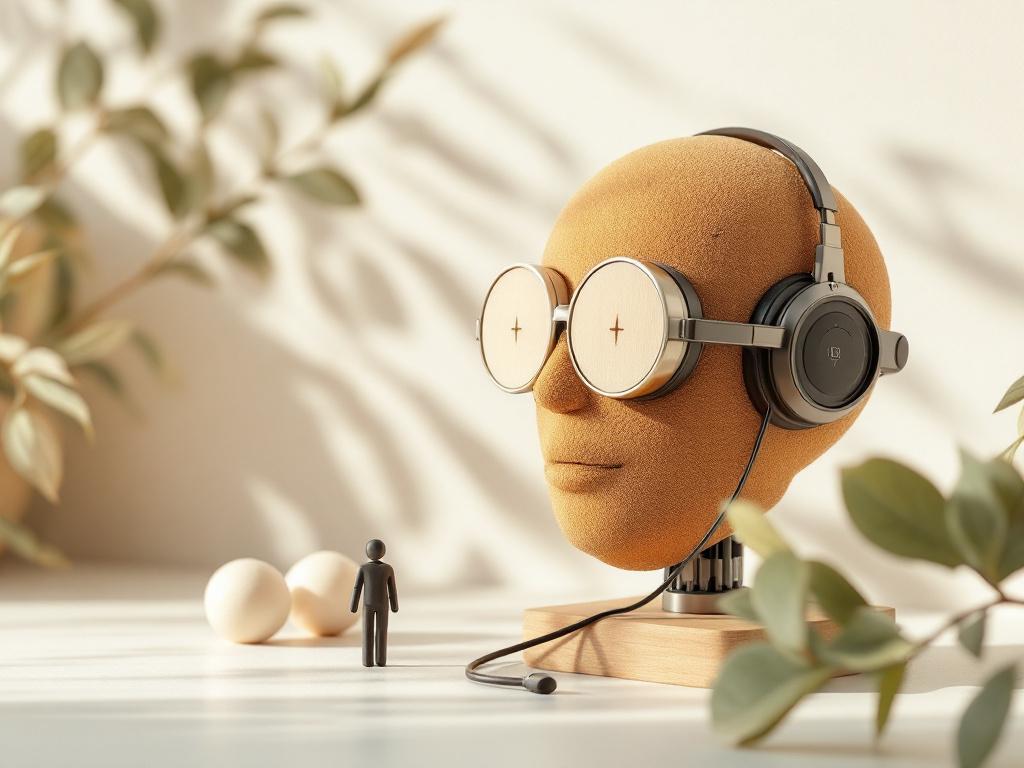
The journey of AI in voice recognition has traversed an incredible path, starting from simplistic speech-to-text conversions to the groundbreaking development of AI voice emotional intelligence systems. These systems are now capable of discerning, interpreting, and reacting to the emotions conveyed through human voices. This evolution marks a significant milestone in the realm of artificial intelligence, making interactions between machines and humans more empathetic and natural. Such systems have found crucial applications in fields such as customer service and healthcare, where understanding the user's emotional landscape is incredibly valuable. This post aims to dive deep into the workings, challenges, and potential future of AI voice emotional intelligence.
Understanding AI Voice Emotional Intelligence
Emotional intelligence in the human context refers to the skill of recognizing, understanding, and managing one's own emotions and the emotions of others during communication. In the realm of AI, this attribute is mirrored to cultivate more organic interactions between humans and machines. Through the analysis of vocal cues such as tone, pitch, and pace, AI can recognize emotional states like anger, happiness, or frustration. For instance, AI technologies like IBM Watson use natural language processing (NLP) to meticulously interpret speech patterns, achieving remarkable accuracy, sometimes outperforming human capabilities.
These systems not only improve customer interactions but also enhance empathy levels, allowing for responses that are more aligned with the user's emotional state. In complex systems, AI can detect and ponder over subtle emotional indicators, from a slight rise in tone indicating frustration to softer pitches that may suggest calmness or satisfaction. In essence, AI's ability to interpret emotions boosts the quality of interactions, thereby improving user experiences across various sectors.
How Emotion Detection AI Works
At the core of emotion detection AI lies the dynamic interplay of natural language processing (NLP), machine learning algorithms, and intricate voice pattern recognition. These technologies collaboratively decode vocal data, dissecting it into understandable elements for machines. The process involves real-time analysis of vocal components such as tone, pitch variations, speech pace, and significant verbal markers such as keywords or rhythm. For example, a raised tone can indicate a customer's frustration, prompting the system to adapt and respond in a way that seeks to alleviate these feelings.
To accomplish such intricate tasks, AI systems undergo comprehensive training using vast datasets of labeled emotional speech. This rigorous training enables systems to classify emotions accurately and adjust their responses accordingly. For instance, Google and Amazon utilize these methods to develop AI capable of calming a frustrated customer or matching a user's excitement with appropriate responses, improving overall interaction.
While the technology is remarkable, one shouldn't overlook the intricacy of the algorithms and machine learning techniques that power this emotion detection. The systems continuously evolve, learning from previous interactions to improve future responses, thus enhancing their capability to make interactions more meaningful and personalized.
Applications of Voice AI Empathy
The incorporation of voice AI empathy across various industries has revolutionized user interactions by making them more personalized and satisfying. Different sectors leverage this technology in diverse ways, enhancing user experiences and achieving tangible business advantages.
- Customer service: Platforms like Zendesk and Salesforce have integrated emotional detection capabilities to significantly reduce customer frustration and improve satisfaction. This is achieved by detecting vocal cues that indicate dissatisfaction, prompting a tailored response aimed at resolving the issue faster. Reports indicate a 30% boost in customer satisfaction and a 25% reduction in frustration among clients, underscoring the effectiveness of these empathetic responses.
- Mental health and healthcare: AI systems monitor vocal tones to identify stress or depression among users, allowing for timely interventions. This is especially useful when integrated into wearables that regularly track the emotional well-being of users, prompting necessary actions early on. Such capabilities aid in creating proactive healthcare solutions, assisting both patients and providers.
- Education: In educational settings, AI personalizes feedback based on the detected emotional states of students, thereby enhancing learning responses. This use of AI ensures that each student receives feedback that suits their emotional and educational needs, significantly improving their overall learning journey.
A tangible example of these applications would be the adaptation of voice assistants like Amazon Alexa, which can adjust its responses based on user mood, enhancing daily interactions with the technology. In the workplace, software like Cogito is fostering better communication and improving workplace dynamics through emotional insights. The significance of empathetic AI in enhancing customer retention and satisfaction rates is evident, with statistics showing a 70% increase in customer retention through personalized, empathetic interactions.
AI Emotion Synthesis
While emotion detection identifies and reacts to human emotions, AI emotion synthesis takes these capabilities a step further by generating intelligent, emotional responses. This process involves crafting responses that mirror human-like empathy, thereby making AI interactions even more compelling and relatable. This functionality is essential for creating voice assistants that can adapt their tones accordingly, congratulating with enthusiasm or providing comfort in somber tones.
However, the field of AI emotion synthesis presents certain ethical challenges. There is a potential risk of manipulation if AI systems are designed to coax specific emotional responses from users. To mitigate this, there must be a focus on ensuring authenticity in AI responses. Designing these systems to communicate naturally and genuinely without misleading users is paramount to maintaining user trust and ethical standards.
Future implementations will need to balance AI's ability to synthesize realistic emotions with ethical guidelines that prevent misuse. While the generation of empathetic responses can greatly enrich interactions, the authenticity and intent behind these responses must remain transparent to users.
Challenges and Limitations
The implementation of AI that simulates emotional intelligence does not come without its set of challenges and limitations. One prevalent issue lies in the potential biases present within training data. These biases can lead to inaccuracies, particularly when interpreting emotions across different cultures or accents. A vital step in overcoming this challenge is to utilize diverse datasets that encompass a wide array of emotional expressions and vocal intonations.
Privacy concerns also arise, especially since continuous voice analysis requires sophisticated data protection measures to safeguard user information. Establishing robust security protocols is essential to protect data and maintain privacy, highlighting the need for AI developers to prioritize ethical considerations in ongoing AI development.
Furthermore, although advancements have led to noteworthy accuracy improvements, with some systems boasting a 92% success rate in speech recognition, certain limitations in understanding complex human emotions persist. It's crucial for ongoing innovations to address these limitations, enhancing emotion detection and synthesis while maintaining ethical use.
Future of AI Voice Emotional Intelligence
The future of AI voice emotional intelligence holds exciting prospects. Anticipated advancements in natural language processing and machine learning are paving the way for hyper-personalized AI agents. These agents could forecast emotional shifts proactively, thereby tailoring responses with impeccable precision. Such enhancements could revolutionize industries, making brand-specific AI voices that further improve customer or user experiences a possibility.
Envisioning a society where emotion-aware machines become integral to sectors such as sales, therapy, and education is intriguing. The societal shifts prompted by these technologies could shape how industries function and how societies interact with future technologies. Futuristic applications might encompass real-time compliance monitoring in financial sectors and accessibility improvements for diverse user groups, further facilitating inclusive experiences. For example, technologies like the Voice Cloning API could play a crucial role in creating personalized AI agents tailored to individual and brand-specific needs by offering capabilities like custom AI voice development.
An understanding and consideration of these technological advancements will allow for the aligning of such capabilities with societal needs while remaining vigilant of ethical concerns.
Recap on AI Voice Emotional Intelligence
In conclusion, the evolution of AI voice emotional intelligence from recognizing human emotions to eliciting empathetic interactions marks a monumental leap in AI development. This development uniquely integrates emotion detection through natural language processing and voice analysis with synthesizing intelligent empathetic responses, transforming interactions across industries like customer service, healthcare, and education. Despite challenges related to biases, privacy, and accuracy, ongoing research and technological advancements promise further innovations that can enhance human-AI communication. For instance, services like AI Dubbing can leverage voice emotional intelligence to offer emotion-infused localization of audio content.
It is paramount to continue exploring these capabilities transparently, ensuring their ethical development. Examining AI's transformative potential encourages us to ponder on the opportunities and implications such technologies harbor, setting the stage for an enriched future.
Call-to-Action
We invite you, our readers, to share your thoughts and experiences with AI voice emotional intelligence. Is there a specific aspect of this technology that resonates with you or worries you? Engage with us in the comments. For more on AI innovations and updates, follow our blog or sign up for our newsletters. Stay updated and become part of the conversation surrounding AI's future.
FAQs
-
What distinguishes AI voice emotional intelligence from traditional voice recognition tools?
AI voice emotional intelligence goes beyond simple voice recognition by also interpreting and responding to the emotions present in a user's voice. Traditional systems typically transcribe voice into text but don't consider emotional nuance.
-
How do voice AI systems ensure data privacy during continuous voice analysis?
AI systems incorporate stringent security measures, including encryption and secure data storage practices, to protect user privacy during voice analysis. Data anonymization and user consent practices are other methods used to ensure privacy.
-
Can AI emotion synthesis manipulate user emotions?
While AI emotion synthesis can generate emotional responses, it is crucial to ensure these responses are genuine and not manipulative. Design considerations focus on maintaining user trust and avoiding deceptive practices.
-
How is AI voice technology used in education today?
AI voice technology in education personalizes learning by offering feedback based on students' emotional states. It enhances engagement and encourages adaptive learning practices, contributing to educational enrichment.
-
Are there any cultural considerations in AI emotion detection?
Yes, various cultures express emotions differently, which can pose challenges to AI emotion detection. Diverse datasets are utilized to improve accuracy across cultural expressions and reduce biases in AI systems.