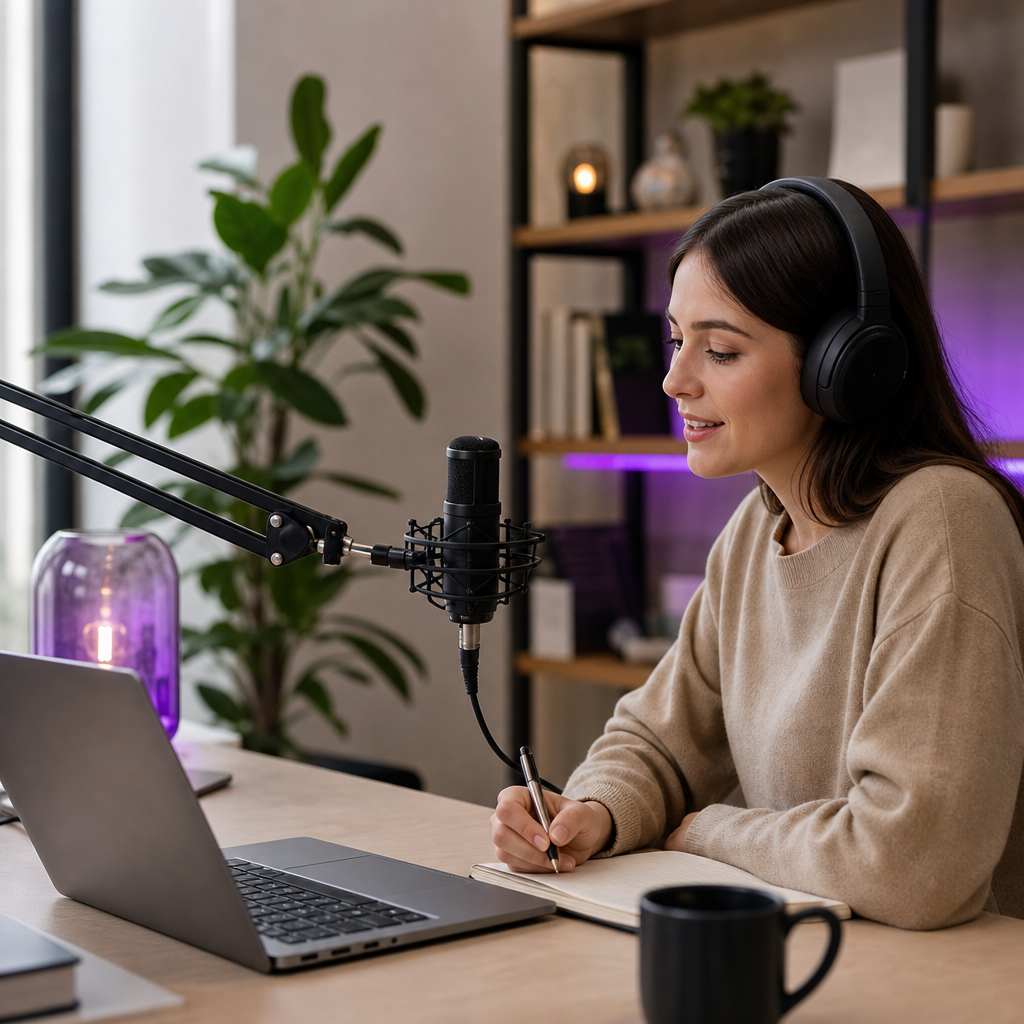
Search for whisper text to speech and you land in two very different places. Some people want a hushed, breathy, ASMR-style voice for late-night storytelling or an intimate product explainer. Others have read about Whisper-based TTS engines built by repurposing OpenAI's Whisper speech model and wonder whether that is what they need. If you create content for a living, the practical question is the same either way: how do you get a natural, soft-spoken AI voice that sounds human, works across languages, and is ready to publish in minutes rather than after a weekend of model wrangling?
This guide untangles the two meanings, then shows how DubSmart AI helps creators, marketers, e-learning teams, and developers produce whisper-style delivery without building anything from scratch. The centerpiece is DubSmart's Text to Speech, Voice Cloning, and AI Dubbing toolset, all inside one workflow so a soft narration can be voiced, personalized, and localized in a single place.
Table of contents
- What whisper text to speech really means today
- Why creators and brands reach for whisper-style voices
- How DubSmart AI delivers natural whisper-like voices
- From normal to whisper: shaping intimate delivery
- For developers: whisper-like voices inside your apps
- Consent and brand safety when cloning a voice
- Frequently asked questions
What whisper text to speech really means today
In most searches, whisper text to speech points to a voice style rather than a specific engine. The idea is that the same underlying AI voice speaks in a soft, hushed tone instead of normal loudness. Several text-to-speech tools treat whisper as an explicit style or emotion: you type your script, pick a language and voice, choose a whispering setting, and play or download the result, with the delivery leaning into an intimate, ASMR-like feel. Emotional TTS interfaces list whispering right alongside happy, sad, angry, and excited, often with an intensity control that decides how strongly the effect comes through.
That framing matters because it tells you what to expect from a modern tool. Whisper is not a separate technology; it is standard synthesis with modified prosody and vocal timbre. The voice is quieter, breathier, slower, and gentler on the consonants. Tools that do this well recommend starting from soft or breathy voices and slowing the pace so the whisper reads as deliberate rather than merely low volume.
There is a second, more technical reading of the phrase. WhisperSpeech is an open-source TTS system created by inverting OpenAI's Whisper speech-recognition model, so "Whisper text to speech" can also describe using that model family as the backbone for synthesis. It is a genuine engineering path, and worth knowing about, but it is a builder's project rather than a publishing tool. You install, configure, and maintain it yourself.
The distinction sets the scope for everything below. If your goal is to ship whisper-style narration for a channel, a course, or a campaign, you want a finished platform that gives you natural voices and prosody control on demand. That is the reader this article speaks to, and it is exactly the job DubSmart AI is built to handle.
Why creators and brands reach for whisper-style voices
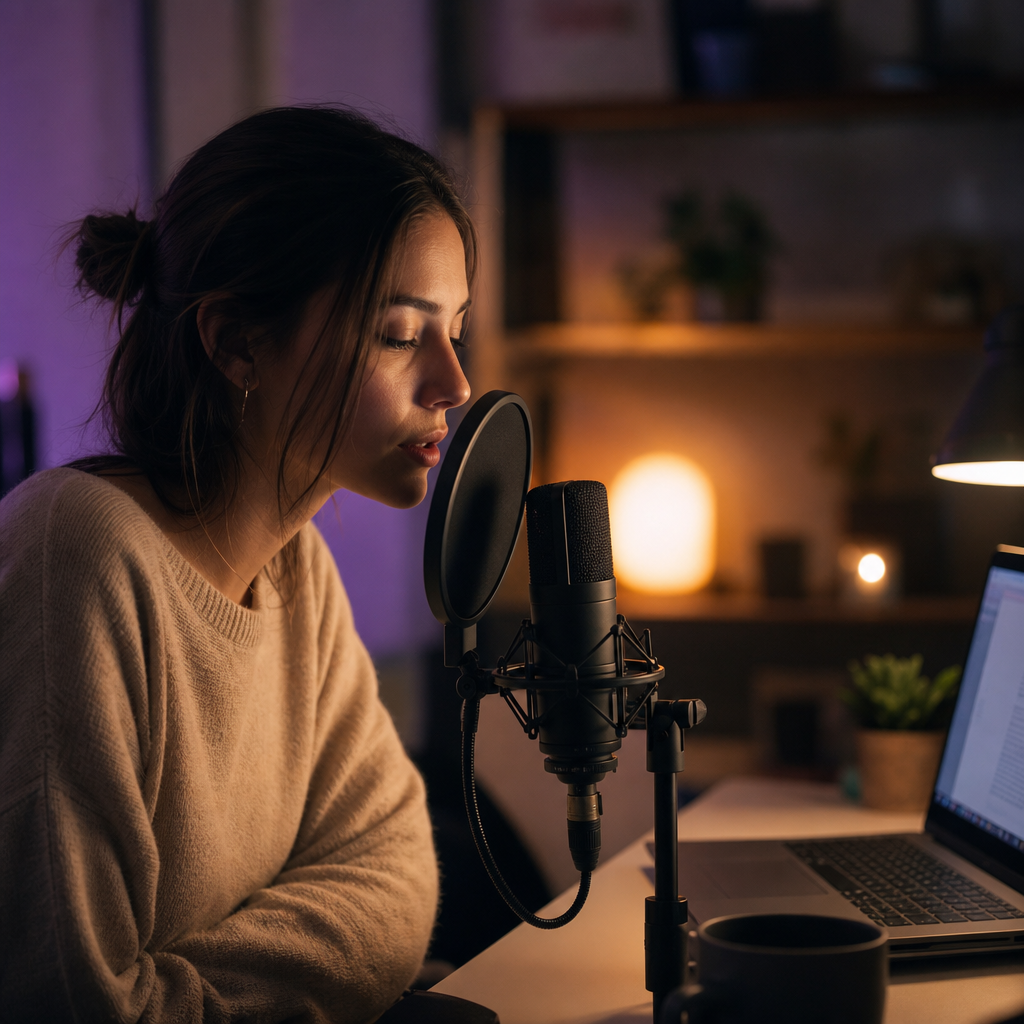
Soft, hushed delivery has become its own content category. ASMR channels lean on it entirely, and it carries well into late-night storytelling, sleep and meditation audio, and product explainers that want to feel personal instead of announced. The appeal is closeness: a whisper puts the listener inside the room. Emotional TTS tools describe this hushed, intimate narration as a distinct use case precisely because audiences respond to it differently than to a standard read.
For DubSmart's audience, the pull is practical. A YouTube creator running an ASMR or bedtime-story format needs a consistent whisper voice for every episode, without straining their own vocal cords across long scripts. E-learning and corporate training producers use a calmer, softer register to make dense material feel approachable rather than lectured. Small business marketers reach for an intimate tone in short social clips where a gentle voice feels more like a recommendation from a friend than an ad.
There is also a scaling reason. Recording genuine whispers by hand is fatiguing and hard to keep uniform. Volume drifts, breath noise creeps in, and matching last month's take is a chore. A whisper-style AI voice fixes the tone once and reproduces it on demand, which is the difference between a one-off video and a repeatable series.
What separates a good result from a gimmick is realism. Buyers of these tools consistently care that the voice feels human and expressive, not robotic, especially in formats as exposed as ASMR where every artifact is audible. That is why the rest of this guide focuses on voice quality and prosody rather than on merely flipping a volume slider.
How DubSmart AI delivers natural whisper-like voices
DubSmart AI is an all-in-one media creation and localization platform, headquartered in Boca Raton, Florida, that pulls Text to Speech, Voice Cloning, AI Dubbing, Speech to Text, Speech Separator, Text to Image, and Image to Video into one workflow. For whisper-style work, three of those tools do the heavy lifting, and the value is that they connect: a soft narration you generate can be personalized, then localized, without exporting and re-importing between separate apps.
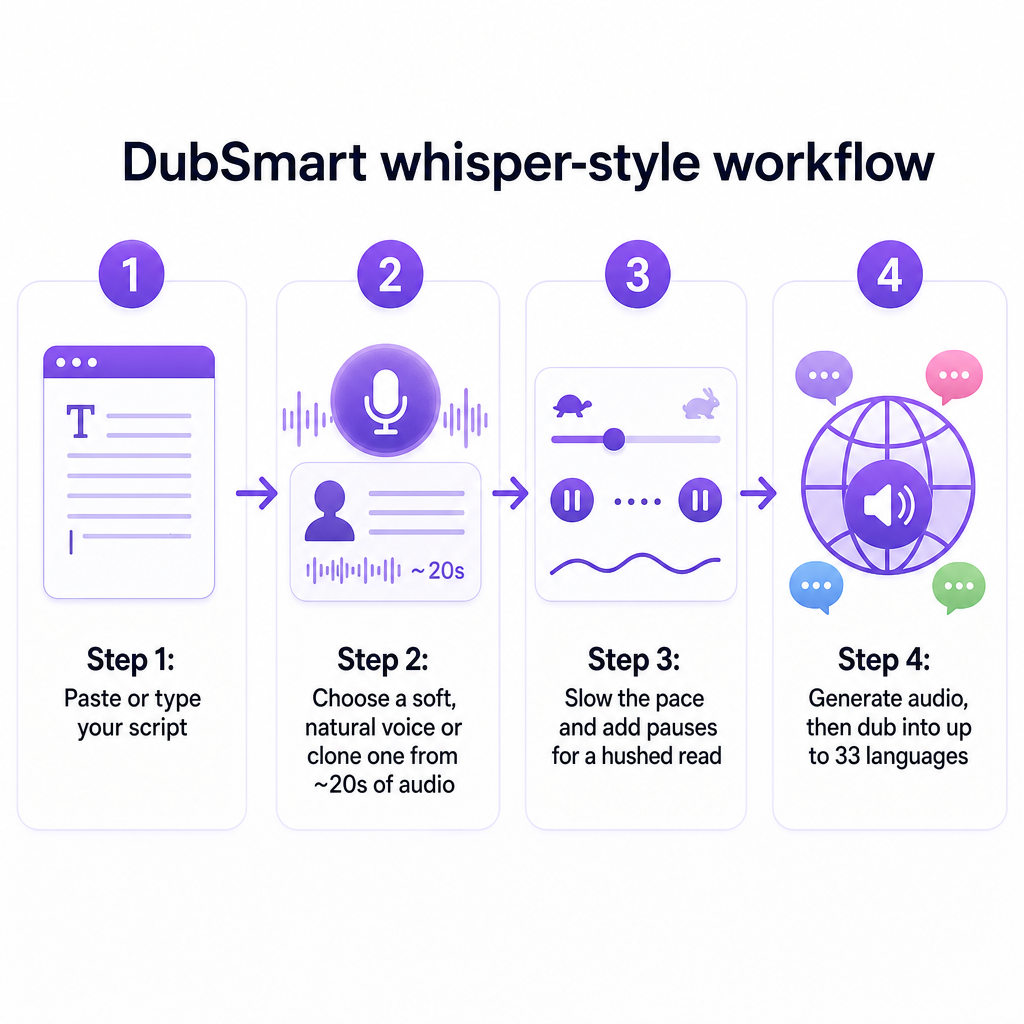
Start with generation. DubSmart's Text to Speech offers a library of more than 300 AI voices aimed at natural, human-like output rather than flat monotone. The everyday flow mirrors what creators already know from whisper tools across the market: paste your script, choose a voice, adjust the delivery, and generate audio you can download. The advantage here is breadth of natural voices to start from, since a soft, breathy base voice is the foundation of a convincing whisper.
To make the voice truly yours, Voice Cloning captures a specific vocal identity from a short sample, described in DubSmart's own materials as cloning from roughly 20 seconds of audio. That lets you build a signature whisper persona for a channel or brand and reuse it consistently, and cloned voices feed directly into the Text to Speech and dubbing workflows rather than living in isolation.
The third pillar is reach. Once you have a whisper-style narration in one language, AI Dubbing localizes it, with DubSmart supporting dubbing from 60+ source languages into 33 target languages and carrying voice characteristics across them. For a creator expanding a soft-spoken series into new markets, that means the same intimate tone can travel instead of being rebuilt language by language.
Because whispered audio rarely stands alone, the platform also pairs with visuals. You can generate imagery with the AI image generator and animate stills into motion with Image to Video, so a calm voiceover has matching footage produced in the same place. On the commercial side, DubSmart runs a credit-based model with rollover credits, a free tier, and enterprise plans, and states it is trusted by more than 500,000 users.
One honest note on scope: DubSmart's public materials describe natural voices, cloning, and multilingual dubbing, but they do not document a literally named "whisper mode" or an emotion slider. So the reliable path to a whisper today is choosing a soft base voice and shaping its prosody, or cloning a genuinely whispered sample, rather than assuming a one-click whisper preset. The next section covers exactly how to do that.
From normal to whisper: shaping intimate delivery
A convincing whisper is engineered, not stumbled upon. The guidance that whisper-focused tools give applies directly inside a natural TTS workflow, and it starts with voice choice. Pick the softest, breathiest voice available as your base; a bright, forward voice fights the effect no matter how you adjust it. From there, the single most effective change is pace. Slowing the read gives each phrase room to breathe and signals to the listener that the delivery is deliberate and close, which is what makes a whisper feel intimate rather than rushed.
Punctuation and pauses do more than they appear to. Short sentences, commas, and line breaks force natural gaps, and those gaps are where a whisper lives, since real whispering is full of small breaths and hesitations. Writing your script with that rhythm in mind, rather than as dense paragraphs, gives the synthesis something to work with. Where a tool exposes pitch, speed, or emotional intensity, gentler and lower settings generally read as softer, and it is worth generating a few short test lines before committing a full script.
Cloning changes the equation for anyone who already whispers well. Because Voice Cloning mimics the sample it is given, feeding it a clean, genuinely whispered recording captures your own hushed tone and pacing directly, rather than approximating it after the fact. Record that sample the way voice professionals recommend for any cloning: a quiet, low-echo room, a decent microphone, and a consistent style throughout, since the model reproduces exactly what it hears, including breath noise and room tone. A tidy 20-second whisper sample can become a reusable persona for an entire series.
The payoff of doing this on one platform is speed and consistency. Instead of chaining a voice tool, a cloning tool, a dubbing tool, and a video editor, you shape the whisper once and carry it through generation, localization, and pairing with visuals. For a creator publishing weekly, that unified flow is the practical difference between a sustainable format and a fiddly one.
For developers: whisper-like voices inside your apps
Text-to-speech is a standard building block. Guides for constructing voice assistants routinely list TTS as one of the core components alongside audio capture, speech-to-text, and text processing, which is why exposing whisper-style voices programmatically is a normal requirement rather than an exotic one. The typical pattern is straightforward: your application sends text, a chosen voice identifier, and any optional style parameters to an endpoint, and receives audio back to play or store.
DubSmart offers that pattern through its developer APIs. The Text to Speech API converts text into natural speech using the same 300+ voice library and supports unlimited voice cloning, so an app can request a soft base voice and generate audio on demand. For custom personas, the Voice Cloning API lets you upload an audio sample, create a cloned voice, and then reference it inside Text to Speech or dubbing calls. A practical whisper flow, then, is to clone a whispered sample once, store the resulting voice identifier, and call the TTS endpoint with that voice whenever your product needs hushed narration.
For products that ship in multiple markets, the AI Dubbing API automatically translates and dubs video into 33+ languages with voice cloning, which lets a localization pipeline reuse the same voice identity across languages instead of maintaining a separate voice per locale. That is the same benefit the end-user tools provide, expressed as an integration rather than a manual step.
One deliberate limitation: the specifics of authentication, request schemas, rate limits, and error handling are implementation details that belong in DubSmart's own developer documentation, not in an article. Treat this section as the conceptual shape of the integration and confirm exact parameters against the current API reference before you build. The takeaway for developers is that reaching whisper-style voices through DubSmart's APIs avoids the overhead of hosting and maintaining a model like WhisperSpeech yourself.
Consent and brand safety when cloning a voice
Whisper personas are personal by nature, which makes consent the first thing to get right. Cloning is powerful because it reproduces a specific human voice, and that same power is why responsible use starts with permission from the person being cloned. Only clone a voice you own or have explicit, documented authorization to use.
practice offers a useful baseline here. OpenAI's voice-creation process, for example, requires two recordings: a consent recording in which the voice actor explicitly authorizes creation of a likeness of their voice, and a separate voice sample used as the model's target, with the sample speaker matching the consent speaker. Whether or not a given platform enforces the exact same steps, the principle is sound: capture clear consent, keep it on file, and make sure the sample and the consent come from the same person.
Beyond consent, quality is a safety issue too, because the model mimics precisely what it is given. Recording in a quiet, low-echo space with a good microphone and a steady style keeps unwanted artifacts out of the clone and protects the brand's sound. For commercial questions, such as which uses are permitted on monetized videos, ads, training material, or resale, follow DubSmart's terms of use and any licensing that applies to your account, and confirm specifics rather than assuming, since usage rights vary by tool and plan. Treat impersonation, misleading deepfakes, and cloning without permission as off-limits regardless of what a tool technically allows.
Frequently asked questions
Is whisper text to speech different from normal AI voices?
Not fundamentally. Whisper is a delivery style layered onto standard synthesis: the same kind of AI voice, produced with a softer, breathier, quieter, and usually slower read. Many TTS tools present whispering as a style or emotion setting, and the audio is generated the same way as any other speech, then shaped to sound hushed and intimate.
Can I make my own voice whisper using DubSmart?
You can build a whisper persona from your own voice with Voice Cloning, which DubSmart describes as cloning from roughly 20 seconds of audio. The most reliable approach is to record a clean sample where you are already whispering, so the clone captures that tone directly, then reuse the resulting voice for your scripts. DubSmart's public materials do not document a one-click "whisper mode," so plan on choosing a soft voice or cloning a whispered sample rather than relying on a named preset.
Do whisper voices work in languages other than English?
Yes. DubSmart's Text to Speech works with a large voice library, and AI Dubbing supports localization from 60+ source languages into 33 target languages while carrying voice characteristics across them. That lets a soft-spoken narration created once be dubbed into other languages without rebuilding the tone from scratch for each market.
Can I use these voices on monetized YouTube videos?
Usage rights depend on your plan and DubSmart's terms of use, so confirm the specifics for your account rather than assuming. As a general rule, only publish audio you are licensed to use and, when cloning, only voices you own or have explicit permission to clone. Check the current terms for commercial, advertising, and resale scenarios before you monetize.
What is the difference between whisper style and just lowering the volume?
A whisper changes the character of the voice, not only its loudness. Real whispering is breathier, has softer consonants, a slower pace, and more frequent small pauses. Simply reducing volume on a normal read still sounds like normal speech played quietly. Whisper-style generation, or a cloned whisper sample, reproduces those textural qualities so it reads as genuinely hushed.
Do I need consent to clone someone's voice?
Only clone voices you own or have explicit permission to use. Some providers formalize this by requiring a consent recording from the voice actor plus a matching voice sample. Follow DubSmart's terms of use and applicable law, keep documented permission on file, and avoid impersonation or misleading uses regardless of what a tool technically permits.
The fastest route to a natural whisper-style voice is not building a model, it is starting from a soft base voice, shaping the pace and pauses, and cloning your own hushed sample when you want a signature tone. If you want to hear how close you can get, generate a few test lines in DubSmart's Text to Speech and compare a slowed, breathy read against a cloned whisper before you commit to a full script.