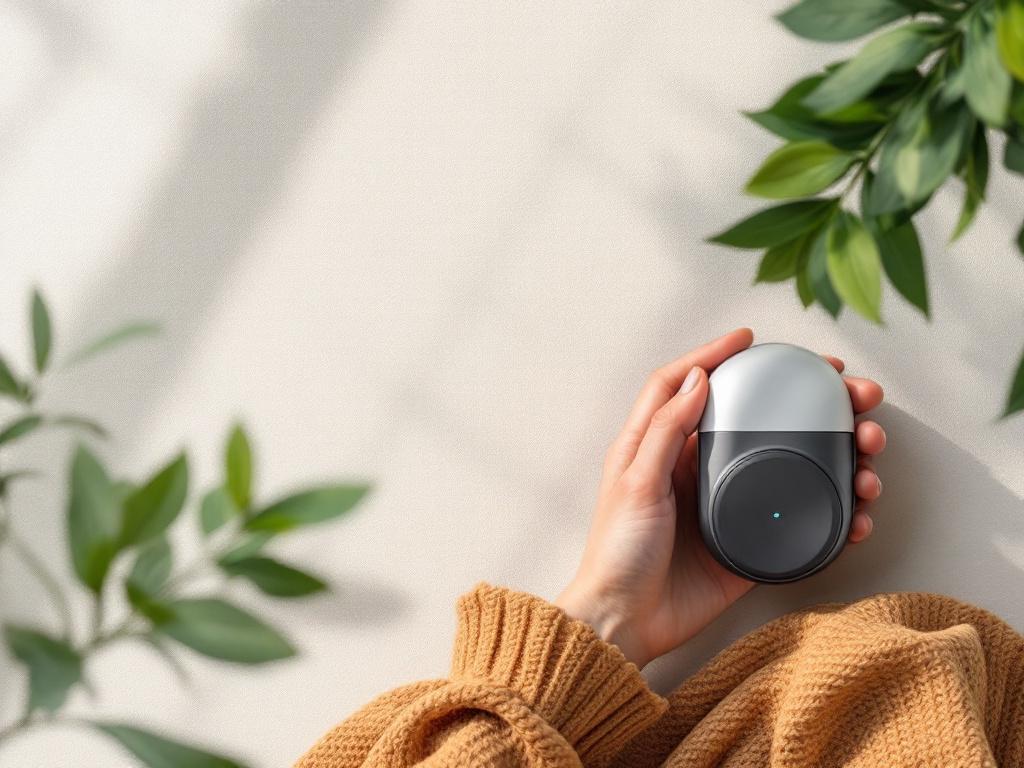
The tourism industry is undergoing a remarkable transformation thanks to advancements in technology. One of the most fascinating developments in recent years is the emergence of AI voice tourism. This innovative approach uses AI-powered voice technologies like voiceovers, voicebots, and virtual assistants to create immersive and engaging travel experiences. By integrating these tools, the industry aims to enhance customer engagement, reduce language barriers, and provide 24/7 service to travelers worldwide. For instance, some tour companies using multilingual audio guides have seen bookings increase by as much as 25%.
Understanding AI Voice Technology in Tourism
At the heart of this revolution is AI voice technology, which encompasses cutting-edge tools like automatic speech recognition (ASR), emotionally adaptive voices, and interactive voicebots. These tools interpret natural language commands to provide information and services, making travel more seamless and enjoyable. In the realm of tourism, AI voice technology facilitates multilingual travel guides and virtual tours, enhances in-flight announcements, and supports chatbot interfaces for bookings and navigation.
The potential of AI voice technology is vast. Whether it's offering real-time assistance to travelers seeking directions or responding to crisis updates, AI voice systems provide personalized travel AI with astounding precision. These technologies work tirelessly around the clock, ensuring that travelers obtain the information they need with immediacy and accuracy. When integrated correctly, these systems can transform even the most mundane aspects of travel into memorable, user-friendly experiences.
Personalized Travel through AI
Travel personalization has always been a dream for adventurers and vacationers alike. Personalized travel AI brings this dream to life by analyzing user preferences, previous travels, and other valuable data to craft tailor-made itineraries. Gone are the days of one-size-fits-all travel plans. With AI, travelers can enjoy experiences curated specifically for them, including restaurant recommendations and activity suggestions, all communicated through engaging voice narration.
The superiority of AI over traditional travel methods is clear in several ways. It provides faster and more scalable customization capabilities, leading to increased traveler satisfaction and loyalty. Tools like Amazon Alexa have made voice bookings for flights and hotels commonplace, and services like Voiser's personalized itineraries offer unique explorations of hidden gems. As a result, AI is not only meeting expectations but exceeding them by crafting adventure-packed trips in record time.
Enhancing Accessibility with Voice Technology
Voice technology is not only about creating fun and engaging travel experiences. It's also about voice technology accessibility enhancements which ensure everyone, regardless of ability or language proficiency, can travel with ease. AI voice tourism plays a crucial role in providing audio descriptions for visually impaired travelers and multilingual support for non-native speakers. Moreover, hands-free navigation options eliminate language barriers and offer 24/7 assistance.
For travelers with disabilities or special needs, AI image generator technologies open new doors. Virtual tours become inclusive with descriptive narrations of landmarks, and contactless hotel services streamline processes like check-ins and room controls. As an example, a national museum has successfully implemented audio guides in 10 languages, significantly enhancing visitor engagement. Meanwhile, voicebots deliver real-time information on attractions and events, extending these benefits to all tourists.
AI in Transforming Travel Experiences
The impact of AI in travel experiences extends beyond voice technology. It encompasses predictive analytics for crowd management, IoT integration for improved amenities, and generative AI for hyper-personalized recommendations based on reservation history. Successful implementations include airlines employing multilingual in-flight voiceovers and hotels using voice-enabled chatbots to streamline bookings and reduce wait times, sometimes boosting reservations by as much as 30%.
Emerging trends signal further innovation, with deeper IoT and machine learning integration facilitating contactless interactions and predicting trends based on user feedback. These advancements appeal especially to Gen Z travelers who seek efficient and innovative tools. Voice cloning and personalization not only enhance the customer journey but also present a fresh perspective on what the future of travel could look like.
Challenges and Considerations
While the benefits of AI voice tourism are clear, its adoption is not without challenges. Integration costs, handling complex queries during peak seasons, and dependency on accurate ASR for diverse accents present notable hurdles. Text to Speech is another concern, as AI-driven personalization requires sensitive traveler data, necessitating ethical and responsible handling of this information.
Balancing technology with the human touch is an ongoing consideration for the industry. While AI can handle routine tasks, the emotional connection and authenticity provided by human interactions remain irreplaceable. Effective implementation should see AI as a supportive tool that enhances human efforts. By reducing the operational stress on staff and maintaining the personalized touch travelers cherish, AI can support sustainable growth and loyalty in the tourism sector.
Conclusion and Call to Action
AI voice tourism is transforming the travel industry, delivering personalized, accessible, and efficient experiences across the globe. Its ability to boost engagement and inclusivity shows promise for future developments that could revolutionize travel even further. As technology continues to evolve, the benefits and opportunities for industry players and travelers alike are vast.
Dear readers, have you had the chance to use AI travel tools during your adventures? Share your experiences with us in the comments below. And stay tuned as we continue to explore the fascinating world of emerging travel technologies. Keep informed, keep exploring, and embrace the future of travel, one voice at a time.
FAQ
What are some common applications of AI voice technology in tourism?
AI voice technology is used in several key areas within tourism, including multilingual travel guides, virtual tours, in-flight announcements, and support chatbots for hotel bookings and navigation. Each of these applications aims to enhance the traveler's experience by providing timely information and personalized service.
How does AI improve travel personalization compared to traditional methods?
AI leverages data analysis and user history to personalize travel experiences, offering suggestions like tailored itineraries, dining options, and activities. This level of customization is achieved faster and at a larger scale than what traditional methods could offer, enhancing satisfaction and building traveler loyalty.
Can AI voice technology cater to travelers with disabilities?
Yes, AI voice technology significantly enhances accessibility for travelers with disabilities. Through audio descriptions, multilingual support, and hands-free navigation, it provides inclusive experiences such as virtual tours or contactless hotel services, making travel more accessible for everyone.
What are some concerns related to the implementation of AI voice technology in tourism?
Implementing AI voice technology involves challenges like high integration costs and ensuring accuracy in ASR systems. Privacy concerns also arise, necessitating ethical handling of personal data. Moreover, the risk of diminishing the human touch in travel experiences is a consideration for businesses.
How does AI contribute to contactless travel experiences?
AI supports contactless interactions through IoT integration, voice-enabled check-ins, and real-time information dissemination. These technologies facilitate a seamless experience for travelers, allowing them to enjoy their journey with minimal physical contact, which is especially relevant in a post-pandemic world.