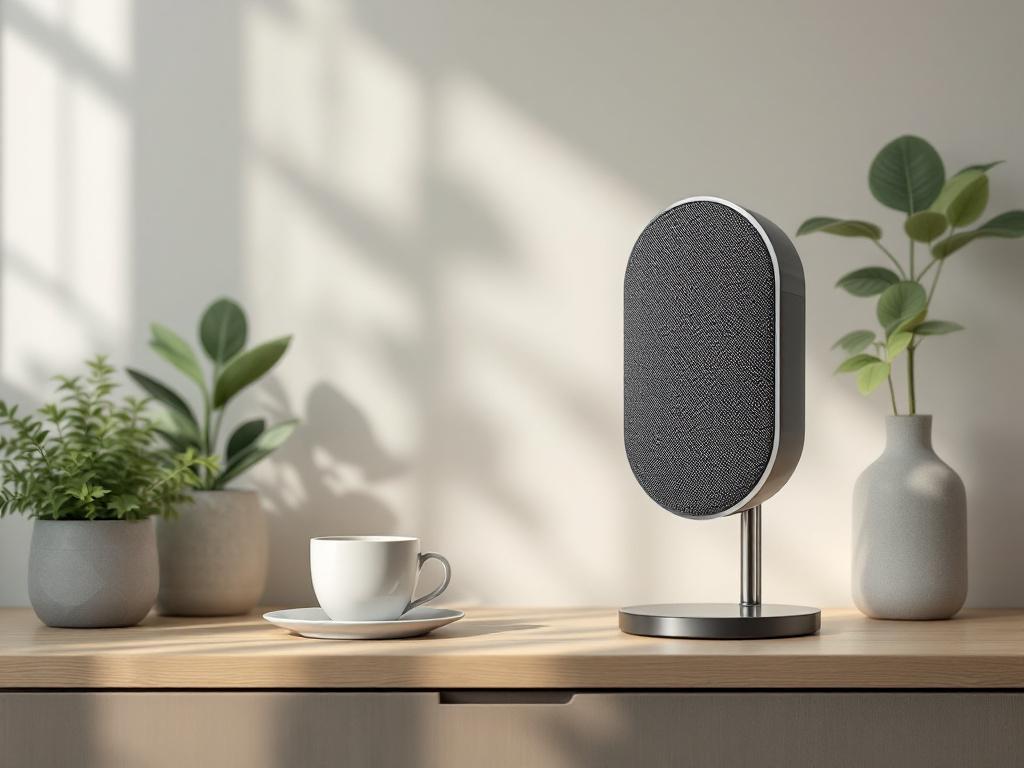
Smart home AI voice technology is transforming how we interact with our living spaces, enabling hands-free control of everything from lighting and thermostats to security systems and entertainment devices. As this technology continues to evolve, it becomes integral to our daily lives, offering new levels of convenience and efficiency. AI voice assistants like Amazon Alexa, Apple Siri, and Google Assistant have become indispensable tools that seamlessly integrate into daily routines. They provide an easy way to interact with a variety of voice-enabled smart devices. The growing adoption of home automation highlights a shift toward creating intelligent, responsive living environments that can anticipate user needs. Home automation voice control allows homeowners to execute commands without lifting a finger, reshaping the way we live.
The world of smart home technology is evolving rapidly, and voice control is at the forefront of this revolution. With AI voice systems, you can command your home with phrases as simple as "I'm home," which can trigger a series of automated actions. This trend is more than just a passing phase; it's the future of home management. In this guide, we'll delve into the intricacies of smart home AI voice technology, exploring how it works, its benefits, popular AI voice assistants on the market, and the future of voice-controlled automation.
Feel free to explore more about AI image generators and Voice Cloning APIs as you discover how AI is integrating into various facets of technology.
Understanding Smart Home AI Voice
Smart home AI voice technology relies on complex algorithms that allow voice-activated systems to interpret and execute spoken commands within interconnected home setups. At its core, this technology works by leveraging a multi-stage process designed to understand and act on what users say. The setup listens continuously for a wake word like "Alexa" or "Hey Siri," signaling the system to pay attention. Once activated, automatic speech recognition (ASR) converts the spoken words into digital text.
Following ASR, natural language processing (NLP) analyzes the text to understand the context and user intent. These insights are crucial because human language is inherently complex, filled with nuances and variations. Finally, machine learning algorithms come into play, continuously improving the system's accuracy and performance based on past interactions. This allows these systems to learn and adapt, providing a more personalized experience over time.
In the context of smart homes, AI voice assistants have become crucial components. These virtual helpers are found in various devices like smartphones and speakers, allowing you to control your entire home ecosystem through vocal commands. They enable users to engage with diverse voice-enabled smart devices, ranging from light bulbs to thermostats, with ease.
Voice-enabled smart devices in homes are capable of understanding naturally phrased commands such as "dim the lights in the living room" or "play relaxing music," showcasing their advanced NLP abilities. This represents a significant leap from earlier systems that required highly specific voice inputs. The technology behind these systems allows for deeper understanding, greater context awareness, and better conversation flow, meaning your voice assistant not only understands your needs but also keeps pace with changing demands.
This foundational understanding paves the way for a deeper appreciation of how home automation voice control benefits a user's daily life. By knowing how these systems decipher commands and execute actions, users can better integrate and utilize AI voice technology within their smart home environments.
The Benefits of Home Automation Voice Control
Home automation voice control provides a multitude of benefits designed to enhance the quality of life for users of all ages. The primary allure is the hands-free convenience, which significantly eases the execution of daily tasks. Picture coming home with your hands full and using a simple voice prompt, like "I'm home," to initiate a series of automated responses. This command can turn on lights, adjust the thermostat, unlock the door, and begin playing your favorite tunes—all without touching a single switch.
But voice control does more than just offer convenience. It can also boost energy efficiency. By allowing users to intuitively manage lighting and climate settings through spoken commands, homes can become more energy-conscious. For instance, saying "turn off all lights" as you leave can ensure nothing is left running unnecessarily. Ultimately, voice control provides an effortless method to enforce energy-saving habits.
Voice control's impact on accessibility is equally significant. For those with disabilities or limited mobility, smart home automation can drastically change life's ease and quality. With voice commands mimicking natural conversation, traditional physical interaction barriers are reduced. Imagine controlling the environment through spoken words alone—turning on lights, opening curtains, or changing TV channels—enhancing independence and accessibility.
Furthermore, when integrated with security systems, voice-controlled smart homes offer enhanced safety features. Commands like "lock the front door" or "set security alarm" can help protect your home efficiently. The impact of voice control transcends beyond convenience, extending into making life simpler, safer, and more energy-efficient.
If you are interested in voice technology, you might want to explore our AI Dubbing API and learn how it can further enhance multimedia experiences using voice technology.
Popular AI Voice Assistants
Navigating the world of AI voice assistants requires understanding what options are available and how they serve different needs. Currently, the market is dominated by a trio of leading assistants—Amazon Alexa, Google Assistant, and Apple Siri—each with unique features and strengths making them suitable for different user requirements.
Amazon Alexa is perhaps the most popular, integrating exceptionally well within the Amazon Echo ecosystem. Alexa offers broad compatibility with over 100,000 different smart home products, ranging from lights to locks to entertainment systems. It stands out due to its extensive customization options, which allow users to create detailed routines and complex automation sequences tailored to their specific lifestyles.
Meanwhile, Google Assistant emphasizes robust natural language understanding and strives for deep integration within Google's rich ecosystem. Whether interacting with Android devices or orchestrating smart home settings, the Assistant excels in its broad language support and ability to handle complex, dynamically phrased user queries.
On the other hand, Apple Siri focuses intensely on privacy. Apple's HomeKit ecosystem attracts users looking for secure, encrypted smart home automation that respects user privacy. Siri offers strong integration with Apple's suite of products, ensuring seamless communication and control across iOS devices. It is particularly appealing to those already entrenched in Apple’s ecosystem.
For users who desire a focus on privacy and local processing, options like Josh.ai provide an alternative to mainstream cloud processing. Josh.ai processes most voice commands on local hardware, keeping any sensitive information within the home network. This architecture holds appeal for those emphasizing complete control and privacy.
When choosing an AI voice assistant, users need to weigh their options, considering aspects like compatibility with existing devices, personal privacy preferences, and the specific features they prioritize. Thus, understanding what each assistant offers helps users determine the best fit for their home environment.
Integrating Voice-Enabled Smart Devices
To enjoy the full potential of a voice-enabled smart home, understanding and integrating compatible devices is crucial. These devices, controlled by AI voice assistants, range from simple gadgets to intricate home systems. Popular categories include smart lighting, thermostats, locks, speakers, and entertainment systems.
Smart lighting systems are among the most common, allowing users to alter brightness, change colors, or group control multiple lights using simple vocal instructions. Meanwhile, smart thermostats provide precise control over your home’s climate, even providing data on weather trends and usage patterns to optimize energy use.
Smart locks represent a crucial part of home security, offering controlled, remote access via voice commands to lock or unlock doors. This capability is particularly useful for allowing entry to guests or service personnel, ensuring tight control over home access.
Smart speakers double as home control hubs, functioning as the main interface for voice interaction while also offering quality audio playback for entertainment purposes. They serve as the central communication point between users and other smart home devices.
Lastly, entertainment systems, including TVs and video players, can also be voice-controlled, allowing users to change channels, adjust volume, or request specific shows and movies without a remote.
Successfully integrating these devices requires attention to compatibility. Ensure that they align with the ecosystem of your chosen AI voice assistant, whether Alexa, Google Assistant, or Siri. Home network reliability is another factor to consider, as it underpins successful automation. A secure, stable internet connection enables seamless communication among devices, ensuring the smart home system performs optimally.
We continue to dive into the world of interconnected home technology, and perfecting your voice-enabled smart home setup is a step toward achieving a smoothly functioning, responsive living environment.
Setting Up and Optimizing Your Smart Home AI Voice System
Creating a capable smart home AI voice system encompasses a few crucial steps to ensure proper functionality and satisfaction. This process includes selecting an AI voice assistant, choosing compatible smart devices, and optimizing setup for the best performance.
Step 1: Select Your AI Voice Assistant
Begin by choosing the AI voice assistant that best suits your ecosystem and preference. Factor in what devices you already own or plan to purchase, as well as desired features and privacy standards. Whether Alexa, Google Assistant, or Siri, each assistant offers unique strengths that align with different user priorities.
Step 2: Choose Compatible Smart Devices
Once the voice assistant is set, select smart devices compatible with your system. Consider areas you want to automate, and verify that these devices work within your chosen platform. This could involve anything from light bulbs, thermostats, and locks, to more specialized gadgets like appliances or security systems.
Step 3: Set Up Your Smart Speaker or Hub
Position your smart speaker or hub centrally within your home, ensuring optimal coverage for voice commands. A smart speaker acts as the central control point, sending commands to other devices and receiving feedback. Ensure it's placed to minimize background noise and maximize voice recognition sensitivity.
Step 4: Connect Devices to Your Platform
Integrate each smart device with your AI voice assistant platform, making sure connectivity is strong and devices are properly configured. Confirm network security and reliability to ensure smooth data flow between devices and uninterrupted command execution.
Step 5: Configure Routines and Automations
Draft routines tailored to your daily schedules. Whether setting specific lighting conditions for mornings or programming climate settings for bedtime, routines enhance efficient home control.
Step 6: Optimize Microphone Placement
Adjust microphone settings and placement for optimal voice recognition. Ensure pathways to the microphone are unobstructed, minimizing interference from walls or objects that could distort sound.
Step 7: Test and Troubleshoot Voice Commands
Finally, rigorously test voice commands, making adjustments to improve responsiveness. If issues arise, verify network connectivity, examine device updates, and confirm microphone configuration to maintain robust communication.
For complex setups, consider professional installation services, especially for managing acoustical dynamics and optimizing device placement. By focusing on meticulous setup and integration, your smart home AI voice system will deliver a seamless, user-friendly experience.
The Future of Smart Home AI Voice Technology
Looking to the horizon, smart home AI voice technology is advancing beyond basic command perception and execution. Future systems are expected to transcend simple automation by learning user preferences and automatically anticipating individual needs. Rather than issuing verbal commands, these systems foresee users’ desires, suggest actions, and formulate personalized responses using behavioral insights and context understanding.
Multi-turn dialogue capabilities will allow for extended conversations without losing context, permitting you to ask follow-up questions without restating prior commands. This conversational advancement mimics human interaction, fostering a more natural integration between users and their voice assistants.
Moreover, innovations in personalized voice synthesis technology promise even more natural, authentic interactions. By replicating a user’s unique voice, voice assistants will provide tailored, immersive experiences.
As these capabilities evolve, AI voices aim to become the homes' central "brain," cohesively orchestrating granular automation while offering anticipatory assistance. This vision emphasizes seamless, intuitive interaction, working away from simply reacting to commands toward pre-emptive assistance aligned with user routines and desires.
The advancements anticipated for voice-controlled systems not only improve convenience but signify a deeper, more intuitive relationship with technology—a step toward homes that understand us. Future possibilities underscore the potential for AI voice technology to simplify life, affording both comfort and sophistication through smart home management.
Smart home AI voice technology signifies a monumental shift in how we engage with our living environments. By enhancing convenience, accessibility, energy efficiency, and security, these systems provide intuitive solutions for varied lifestyles. Whether you aim to streamline daily tasks, boost accessibility for family members with disabilities, or create a more adaptive home environment, the benefits of voice-controlled smart homes are compelling.
The field is quickly progressing, suggesting more advanced and tailored experiences on the horizon. Embarking on your journey toward a smarter home today ensures that you'll enjoy both current conveniences and future innovations. Start by selecting an AI voice assistant suited to your preferences, gradually integrating compatible devices, and exploring how home automation can enrich your life.
Ready to transform your home and embrace the full potential of AI-driven technology? Dive into the world of Voice Cloning to see its dynamic applications beyond mere voice command systems.