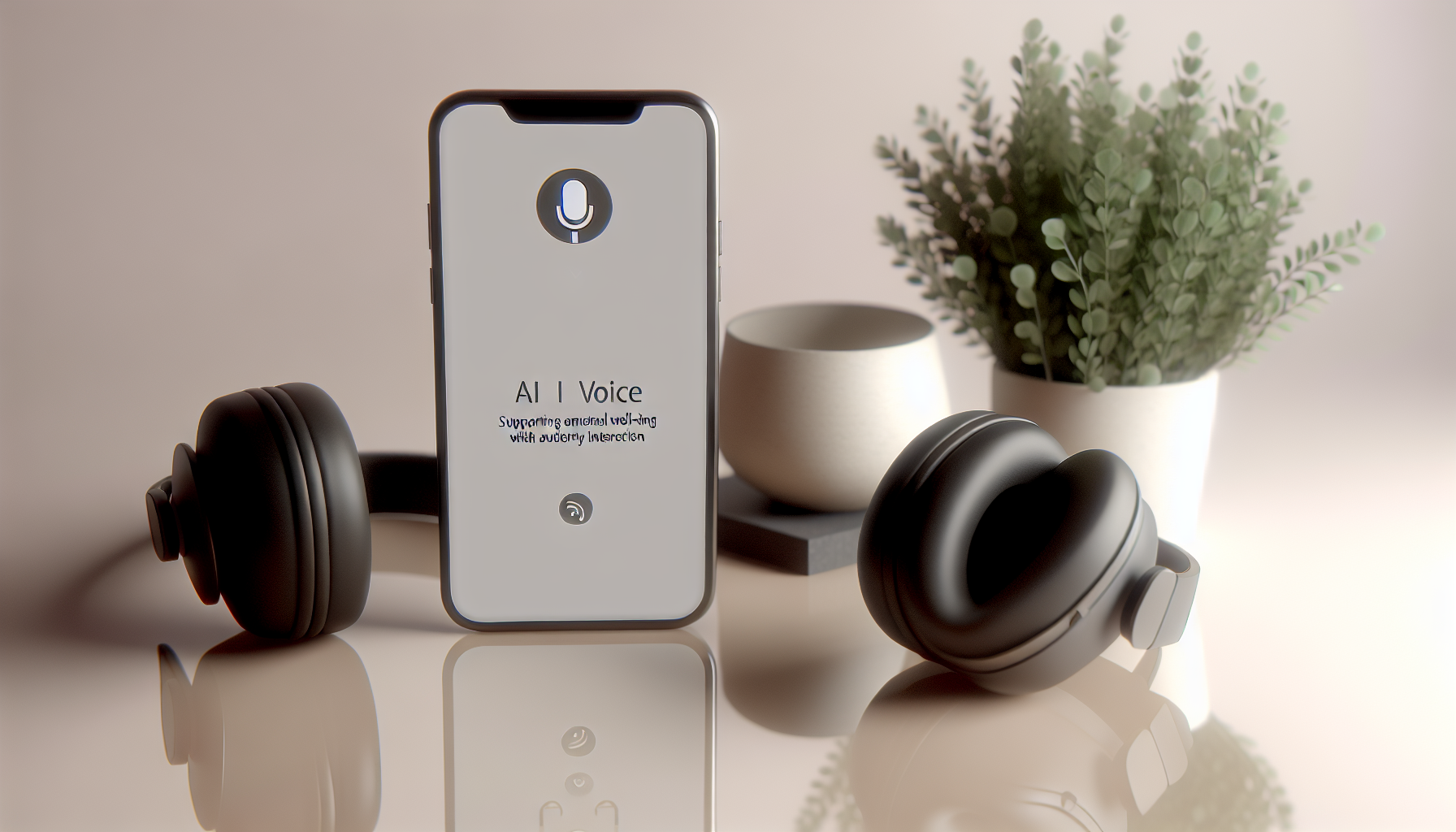
The landscape of mental health support is undergoing a revolutionary change, spurred by the advent of AI voice technology. This new wave of innovation has significantly altered how individuals access and receive mental health care. AI voice mental health apps are at the forefront of this transformation, providing an effective and accessible means of emotional support and therapy.
AI voice technology leverages advanced capabilities like natural language processing (NLP) to interpret and analyze speech patterns. It can detect emotional cues and underlying mental health issues through vocal biomarkers, mimicking the therapeutic engagement typical of human therapy. This technological advancement allows these apps to offer conversational support that feels neither mechanical nor impersonal. Keywords like “AI voice mental health apps” and “voice technology emotional support” are now central to discussions on future approaches to emotional and therapeutic care.
In recent years, there’s been a surge in the development and use of AI-integrated platforms such as Woebot, Wysa, and Ash. These apps provide 24/7 support, extending their reach beyond traditional text interactions to voice-based engagements. As the demand for mental health support rises amidst global clinician shortages, these apps become crucial allies in the effort to provide mental health care to everyone who needs it.
Overview of AI Voice Technology in Mental Health
At its core, AI voice technology represents a dynamic leap in mental health interventions, transforming how support is delivered and perceived. This technology is grounded in natural language processing (NLP) which allows these apps to derive emotional and psychological states from the nuances of speech. The subtleties of voice tone, pace, and even pauses can reveal a lot about a person's emotional well-being, and AI is equipped to pick up on these signals.
Employed in various mental health apps, this technology empowers them to recognize signs of depression, anxiety, or even suicidal thoughts by assessing changes in language or tone. For instance, Ellipsis Health uses AI to discern these emotional indicators, helping patients and clinicians identify mental health issues at an early stage.
Chatbots like Tess, Wysa, and Woebot are exemplary models of how AI in therapy apps works, offering personalized feedback and support in real-time. They leverage voice technology emotional support by enabling users to express themselves vocally, allowing the AI to “listen” and respond empathically. This two-way conversation emulates human-like consultation, fostering a sense of connection and understanding that is often missing in digitized support systems.
By engaging with users in a voice format, these apps open new avenues for emotional recognition and psychoeducation, ensuring that users receive balanced and consistent feedback tailored to their specific needs.
Benefits of AI Voice Mental Health Apps
AI voice mental health apps come packed with myriad benefits that make them highly attractive alternatives to traditional therapy. One of the most significant advantages is their 24/7 accessibility. Unlike conventional therapy sessions which require scheduling and can involve long wait times, these apps can be accessed at any time, from anywhere. This constant availability is crucial for individuals who may need immediate support outside regular working hours.
The scalability of these apps has also enabled them to reach broader audiences. For example, both Woebot and Wysa have successfully served over a million users, demonstrating the massive potential of AI-driven interventions. By delivering consistent and reliable support at scale, these apps ensure that mental health resources are not limited by geography or time.
Another key benefit is the privacy and anonymity they offer. Users can engage with these apps without fear of judgment or exposure, encouraging those who might be reluctant to seek help due to stigma. This anonymity, coupled with the cost-effectiveness of these apps, makes mental health support much more accessible.
Moreover, these apps are increasingly incorporating multilingual features, breaking down language barriers that often prevent individuals from accessing mental health care. Apps like Youper have adopted this approach, underscoring AI’s role in creating inclusive mental health support environments.
Voice Technology's Role in Emotional Support
Empathy plays a crucial role in therapeutic settings, and with voice technology, AI apps are increasingly capable of providing empathetic responses. This is crucial for emotional support, where listening and validation are key components of effective intervention. AI provides active listening through CBT techniques that help manage stress and anxiety, making users feel heard and understood.
The effectiveness of such approaches is evidenced by statistics; users of apps like Woebot have reported up to a 25% reduction in anxiety levels after consistent use over a month. This showcases AI's potential in offering substantive mental health improvements.
For many, stress and anxiety can be overwhelming, but apps that prioritize voice-first emotional reflection, such as Ash, offer an outlet for users to express their feelings verbally. This not only provides immediate relief but also helps in recognizing emotional patterns over time. Continuous engagement with these apps can lead to better emotional regulation and an enhanced understanding of personal triggers.
By simulating an empathetic conversational partner, voice technology emotional support ensures that users receive interactions that feel genuine and supportive, bridging the gap between technology and human empathy.
AI in Therapy: How It Works
AI voice mental health apps integrate sophisticated therapy methods, personalizing care through various techniques like cognitive behavioural therapy (CBT), mood tracking, and journaling. Apps like Wysa and Therappai exemplify this with their robust functionalities designed to adapt and respond to the unique needs of each user.
AI-driven apps can monitor mood changes, track user progress, and even provide real-time risk alerts based on vocal inputs. For instance, Wysa incorporates personalized CBT conversations, allowing users to engage in introspective exercises that enhance self-awareness and coping strategies. This personalization ensures users receive care tailored to their specific mental health challenges.
Moreover, these platforms are designed to recognize and prioritize urgent cases, delivering immediate exercises and insights that can defuse developing crises. The combination of AI-driven analysis and prompt intervention significantly amplifies the effectiveness of mental health care provided.
The table below highlights key features and outcomes of these AI therapy apps:
| App | Key AI Therapy Features | User Outcomes |
|---|---|---|
| Woebot | CBT chats, daily mood tracking, real-time adaptation | 25% anxiety reduction |
| Wysa | Personal mood tracking, mindfulness, coping strategies | 80% of users felt more in control |
| Ash | Voice-first therapy companion, continuous emotional reflection | Personalized support for anxiety and stress |
| Tess | Adaptive empathetic responses, emotional training | Reduced symptoms of depression and anxiety |
These results underscore the effectiveness of AI in therapy, showcasing remarkable improvements in user mental health and overall satisfaction with the services provided.
Case Studies and Success Stories
Several success stories exemplify the effectiveness and acceptance of AI voice mental health apps within various demographics. Woebot and Wysa, for instance, have emerged as quintessential examples of AI success in the mental health sector. Both apps have catered to over a million users globally, effectively using CBT to assist individuals in managing their mental health challenges.
The app Ash provides another compelling success story. As a voice-powered AI therapist, it offers personalized support for stress and anxiety, marking a significant evolution in digital therapy tools. Its ability to remember past conversations and provide long-term support enhances user engagement and satisfaction.
Similarly, apps like Tess and MYLO have garnered high user satisfaction by delivering emotional responses that rival those of human clinicians. Such efficacy highlights the promise these technologies hold in complementing traditional therapy, offering scalable, empathetic support.
Numerous studies affirm the moderate-to-high efficacy of these AI-driven interventions in reducing symptoms and boosting user satisfaction. This corroborates the widespread potential of AI in providing impactful mental health support.
Challenges and Ethical Considerations
Despite their benefits, AI voice mental health apps are not without their challenges. Data privacy and security are pressing concerns, particularly when sensitive voice data is involved. Users must feel confident that their personal information is protected.
Moreover, there is a risk of over-reliance on AI for empathetic responses. While AI's abilities are rapidly advancing, many users still prefer human interactions due to their authentic emotional depth. The American Psychological Association (APA) advises human oversight to ensure safety and efficacy in AI mental health applications.
Another crucial consideration is the ethical implementation of AI. It is imperative to manage biases in vocal biomarkers and ensure human supervision in critical moments, like crisis detection. Implementing ethical standards safeguards users and fosters trust in these technologies.
The Future of AI Voice Technology in Mental Health
The future of AI voice technology in mental health is poised for continued growth and evolution. Emerging advancements include apps like Flourish, which have demonstrated randomized controlled trial (RCT) efficacy, signaling promising enhancement in therapeutic outcomes.
Innovative methods such as multimodal VR therapy by entities like Oxford VR are expanding the possibilities of digital mental health interventions. These approaches are increasingly incorporating NLP to provide real-time crisis alerts through wearable technologies, making mental health support even more integrated and personal.
The potential for expansive telepsychiatry services, facilitated by advancements in AI in therapy apps, promises broader access to mental health care on a global scale. As these technologies advance, they foster more comprehensive and personalized support systems, ensuring that mental health care transcends current limitations.
Conclusion: Embracing AI Voice Mental Health Apps
In conclusion, AI voice mental health apps are reshaping the mental health sector by offering accessible, cost-effective support worldwide. Through NLP-driven voice interactions, these apps have demonstrated significant improvements in mental health, as seen in platforms like Woebot and Wysa.
While they offer invaluable support, integrating these technologies ethically, with due consideration for data privacy and human oversight, remains key. These considerations will ensure that AI continues to be a trusted ally in mental health care.
Call to Action: Explore AI Voice Mental Health Apps
We invite you to share your experiences or try leading AI voice mental health apps like Ash or Wysa for yourself. Discover how they can fit into your mental health routine, offering daily support and insight. Don’t miss out on the latest updates in AI mental health innovations; subscribe for more articles and insights on this transformative technology.