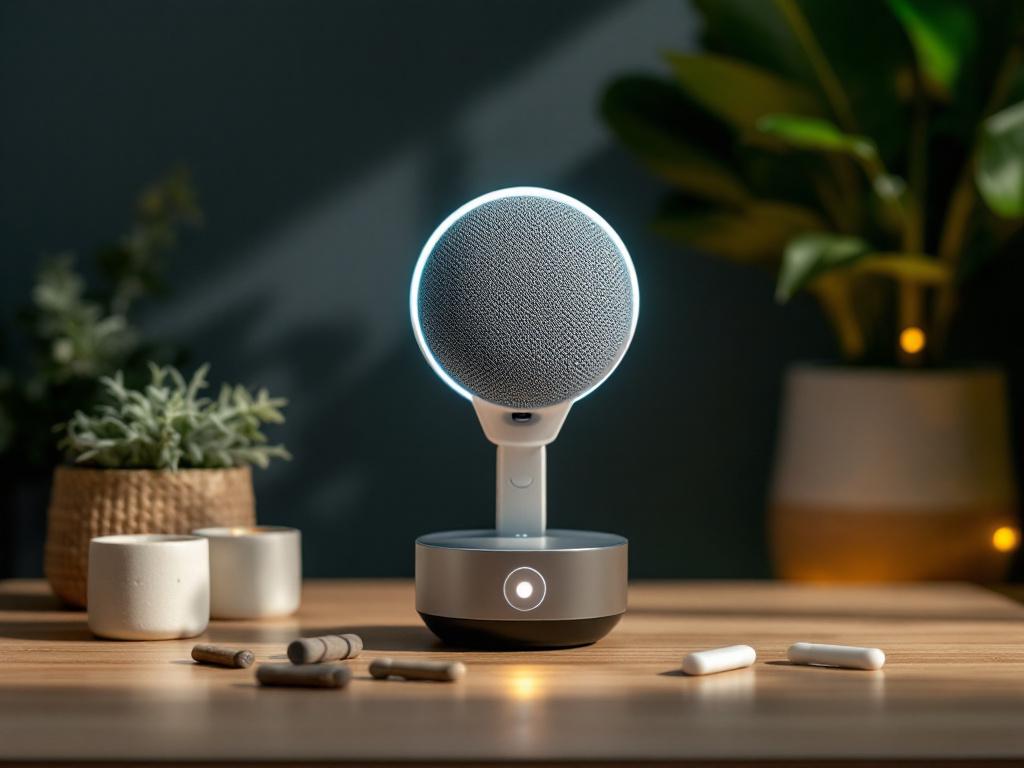
The global landscape is rapidly changing with aging populations becoming a significant demographic trend. Statistics reveal a steep projected increase in the number of senior citizens worldwide, posing new challenges and opportunities in supporting these communities. Amidst these projections, AI voice elderly care is emerging as a groundbreaking technological innovation, designed to meet the unique needs of seniors. Voice technology for seniors is transforming how they receive support, providing solutions that promote independent living through voice-activated systems.
The purpose of this blog is to explore how AI voice technology facilitates aging support, enhancing the quality of life for seniors. From setting medication reminders to integrating with smart home systems, the applications are vast and varied. This exploration includes insights into how seniors can live more independently through voice-activated technology, drawing from insights like those found at the Innovation Incubator and Cyces. As we delve into this topic, the transformative impact of AI in aging support becomes increasingly clear, promising a future where age is less of a barrier to living a fulfilling life.
Understanding AI Voice Technology: The Framework Behind the Functionality
AI voice technology refers to systems that utilize advanced machine learning algorithms to interpret human speech. This technology can perform a wide range of tasks based on voice commands, such as setting alarms, searching the internet, or managing digital devices. The evolution of AI voice technology from simple command-based interactions to sophisticated, autonomous conversations marks a significant leap in modern tech innovations.
Historically, AI voice technology began with basic virtual assistants that could perform limited functions like answering questions or setting timers. However, in recent years, these voice agents have evolved dramatically. Modern AI systems can now engage in more complex interactions, crucial for applications in healthcare, particularly elderly care. The journey of these systems from basic to comprehensive applications highlights this technology's adaptability and potential.
The core components of AI voice technology include speech recognition, natural language processing (NLP), and machine learning. Speech recognition allows the system to capture and process the sounds of human speech, converting these vocal signals into text. NLP is crucial as it enables the system to understand the context and intent behind commands, allowing for meaningful interactions. Machine learning algorithms then act on this information, executing tasks as instructed.
Insights from sources such as Cyces and Towards Healthcare outline how AI voice agents have transitioned from offering standard functions to delivering complex healthcare solutions. This growth underscores the shift towards incorporating these technologies into more personalized and supportive roles—especially in caring for the elderly. Thus, by harnessing these advanced technologies, AI voice assistants can significantly contribute to comfortable and independent aging.
The Role of Voice Technology in Elderly Care: Empowering Seniors in Everyday Life
Voice technology has emerged as an essential tool in elderly care, offering critical functionalities that bring convenience and security to senior citizens. Voice-activated systems provide services such as setting medication reminders, scheduling doctor's appointments, and offering emergency assistance—all without requiring physical interaction. These features are especially beneficial to those with mobility challenges or visual impairments.
One of the greatest benefits of integrating voice technology into elderly care lies in its ease of use. Seniors often face barriers to traditional tech due to its complexity or user interface, but voice technology simplifies interactions into intuitive voice commands. This ease of access fosters greater independence among the elderly, allowing them to perform daily activities seamlessly without relying heavily on caregivers.
Moreover, when integrated with smart home systems, voice technology can perform a host of functions like alerting caregivers in case of emergencies, automating home appliances, and controlling home security systems. It can also provide personalized experiences by learning the habits and preferences of seniors, offering tailored responses and actions. This adaptability enriches the living experience of seniors, providing them with comfort and safety in their own homes.
Innovation Incubator and insights from Cyces emphasize how these technologies mitigate the need for constant physical interaction and monitoring, allowing seniors to focus on enjoying life with lesser dependence. By leveraging automated systems that can respond and act immediately during emergencies or in routine situations, voice technology sets a new standard in elderly care, combining simplicity with high-tech solutions that cater specifically to the needs of seniors.
AI in Aging Support: Proactive and Personalized Solutions
AI significantly augments aging support by offering advanced functionalities like predictive analytics and personalized care solutions. Predictive analytics involves monitoring various parameters such as speech patterns, movement, and vital signs to foresee health risks and intervene early when necessary. This proactive approach is crucial to preventing critical issues before they arise and maintaining the well-being of seniors.
Personalization is another powerful advantage of AI in aging support. AI systems can adapt to the unique preferences and requirements of each individual, enhancing traditional support systems by tailoring care plans to the specific needs of seniors. This adaptability ensures that the care provided is not only appropriate but also highly effective for each user.
Real-world examples, such as MaiaCare's AI system, highlight the practical applications of these technologies. MaiaCare utilizes AI to automatically book transportation or health consultations when a senior misses medication or appointments, thereby ensuring consistent care. Additionally, AI sensors installed in homes of dementia patients can monitor behaviors and prevent incidents like wandering, thus safeguarding vulnerable individuals.
Research from AllSeniors and Innovation Incubator showcases how these innovative solutions contribute to the quality of life for seniors, reducing the need for hospitalized care by addressing issues before they escalate. By focusing on enhancing independence and well-being, these technologies demonstrate the potential of AI in transforming elderly support from a reactive model to a more proactive and personalized approach.
Voice Assistants for the Elderly: Harnessing the Power of Technology
Popular voice assistants, like Amazon Alexa, Google Assistant, and Apple's Siri, are instrumental in addressing the unique needs of seniors through advanced and user-friendly functionalities. These AI-powered assistants are equipped with features specifically tailored for elderly use, offering seamless voice interaction for diverse needs.
These assistants have undergone significant advancements in their voice recognition and response capabilities, making them more accessible and reliable. They are able to integrate with health monitoring systems, providing real-time insights into a senior's well-being and issuing alerts if anomalies are detected. This integration into health systems means potential health threats can be detected early and addressed promptly.
Moreover, their simple command interfaces make them attractive options for seniors who may be tech-averse. Tasks such as setting reminders for meal times, medical appointments, and taking medications can be performed with minimal effort. Additionally, these assistants serve broader purposes, enabling seniors to control smart home devices, access entertainment, and maintain communication with family and friends with just their voice.
The real-time monitoring and integration with IoT devices enhance safety for seniors who wish to age in place, providing peace of mind to both the user and their loved ones. Insights from Cyces and Innovation Incubator reflect the growing practical benefits of these technologies in elderly care, providing avenues for seniors to lead enriched and connected lives within their communities and homes.
Challenges and Considerations: Navigating the Road Ahead
Despite the remarkable benefits of AI voice technology in elderly care, there are several challenges and considerations to address to ensure its broad acceptance and effective deployment. One significant concern involves privacy issues related to the continuous collection of data necessary for these systems to function optimally. Users may be wary of potential misuse or breaches of sensitive personal data.
There is also resistance to technology adoption among seniors. Many may find the notion of integrating voice technologies into daily life overwhelming or unnecessary. Financial barriers also pose a challenge, as the costs associated with acquiring and maintaining these technologies may be prohibitive for some.
Overcoming these challenges requires strategic efforts such as enhancing user interfaces to be even more straightforward and intuitive, ensuring robust data security through encryption and privacy measures, and fostering equitable access through affordable pricing models. Additionally, caregiver training programs can play a pivotal role in encouraging both seniors and their families to become more comfortable with these technologies, highlighting their benefits and teaching effective usage.
Insights from AllSeniors and Innovation Incubator provide a roadmap for navigating these challenges, emphasizing the importance of collaboration among technology developers, healthcare providers, and policymakers. By addressing these concerns head-on, we can forge a path towards greater acceptance and integration of AI voice technology in elderly care.
Conclusion: Embracing AI Voice Technology for a Brighter Future
AI voice technology stands as a testament to how innovation can transform care for the elderly, offering solutions that promote independence, enhance safety, and improve the overall quality of life. By focusing on both holistic and personalized approaches, these technologies are revolutionizing how we perceive and deliver support to aging populations.
It is vital to embrace these AI solutions, as they hold the promise of proactive health management, allowing seniors to remain self-sufficient and engaged in their communities. The successful implementations described by AllSeniors and Cyces illustrate the potential for these systems to become integral to our approach to elder care.
Call to Action: Share Your Experience and Explore Further
We encourage readers to share their experiences with AI voice technology in elderly care to foster a community discussion on its benefits and challenges. Exploring additional resources, such as Voice Cloning API for customization or Text to Speech API for accessibility improvements, is vital for anyone interested in personalizing these technologies further.
Consider reaching out to professionals for personalized AI solutions, much like those offered by DubSmart's AI tools, which can enhance the care experience. As we continue to explore this landscape, the potential of AI voice technology to redefine elderly care underscores the importance of innovation in crafting a supportive environment for all.